World Sight Day 2026: Love Your Eyes
World Sight Day 2026: Love Your Eyes
World Sight Day 2026: Love Your Eyes
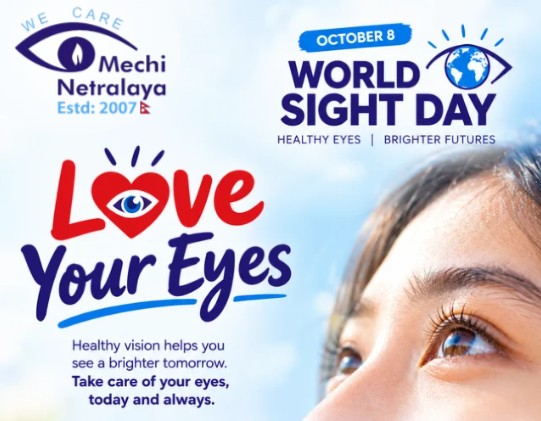
October 8, 2026 | Theme: “Love Your Eyes”
Imagine waking up one morning unable to see your loved ones’ faces clearly, struggling to read a book or newspaper, or watching the beautiful world around you gradually lose clarity. For millions of people worldwide, these vision changes significantly affect their education, employment, independence, and quality of life. Fortunately, many vision problems can be prevented, detected early, or successfully treated with timely, appropriate care.
Our eyes work continuously and silently for us throughout the day. They help us recognize our loved ones, read messages, cross busy streets, learn in classrooms, work in offices, and appreciate the beauty of the world. Despite their importance, we often neglect our eye health until serious vision problems arise.
The message of World Sight Day this year, October 8, 2026, is simple yet powerful: “Love Your Eyes.” It reminds us that eye care is an essential part of our overall health, not something to consider only after our vision becomes blurred.
Characteristics of Healthy Eyes
The following features can help us assess the general health of our eyes:
- Eyelids: Both eyelids should open and close comfortably and properly.
White part of the eye: The visible white portion of the eye should generally appear clear and healthy. - Cornea: The cornea, the transparent front surface of the eye, should remain clear.
- Pupil: The pupil should normally be round and dark, becoming smaller in bright light and larger in dim light.
- Eye movements: Both eyes should move comfortably and appropriately in different directions.
- Vision: Vision should be clear and appropriate for the person’s visual needs. These observations do not replace a professional eye examination.
- Love Your Eyes: Start with Regular Eye Examinations
Clear vision should never be taken for granted. Many eye diseases develop gradually without obvious symptoms during their early stages. Regular comprehensive eye examinations help identify refractive errors and detect potentially serious eye conditions before significant vision loss occurs.
If you experience blurred vision, persistent eye discomfort, headaches, difficulty seeing at night, flashes of light, floaters, or any sudden vision change, seek advice from an eye-care professional without delay.
Eye Care at Every Stage of Life
1. Children

Healthy vision is essential for children’s learning and overall development. Parents should watch for signs such as frequent blinking or rubbing of the eyes, holding books or screens too close, difficulty seeing the classroom board, or struggling with reading.
Encouraging children to spend time outdoors in daylight and develop healthy visual habits is equally important.
2. Adults
Prolonged use of computers, laptops, and smartphones can contribute to digital eye strain and dry eye symptoms. Taking regular breaks, blinking consciously and completely, and maintaining an appropriate viewing distance can help reduce discomfort and visual fatigue.
3. Older Adults
As people age, the risk of cataracts, glaucoma, and retinal diseases increases. Regular eye examinations play an important role in the early detection and appropriate management of these conditions.
4. People Living with Diabetes
Diabetic retinopathy can progress without noticeable visual symptoms in its early stages. Therefore, controlling blood sugar and blood pressure and arranging a comprehensive retinal examination at least once a year, or as advised by an eye-care professional, are essential parts of diabetes management.
Protect Your Eyes Through a Balanced and Nutritious Diet
Eye health is closely linked to nutrition. A balanced diet containing a variety of fruits, green vegetables, legumes, nuts, seeds, eggs, dairy products, and fish provides nutrients needed for normal eye function.
Good food choices include: Dark green leafy vegetables, carrots, pumpkins, sweet potatoes, tomatoes, citrus fruits, guavas, eggs, almonds, cashews, and fish.
Important nutrients include: Vitamins A, C, and E, omega-3 fatty acids, lutein, and zeaxanthin. These nutrients support normal eye function and help protect eye tissues.
Remember: No single food can prevent every eye disease. Good nutrition should be combined with regular physical activity, a healthy lifestyle, and routine eye examinations.
Small but Important Habits to Protect Your Eyes
You do not need to make complicated changes to show your eyes some love. Small daily habits can make a meaningful difference.
- Take regular breaks during prolonged screen use.
- Follow the 20-20-20 rule: Every 20 minutes, look at something approximately 20 feet away for at least 20 seconds.
- Blink fully and frequently when using digital devices.
- Encourage children to spend one to two hours outdoors each day, where practical.
- Wear appropriate protective eyewear when exposed to sunlight, dust, sports-related hazards, or industrial risks. Choose sunglasses that provide verified
- UV protection, such as UV400 protection, when appropriate.
- Maintain a healthy lifestyle and manage conditions such as diabetes and high blood pressure.
- Do not use eye drops or other eye medications without appropriate professional advice.
- Arrange a comprehensive eye examination at intervals recommended for your age, risk factors, and eye health.
- Legal Rights and Workplace Eye Health Responsibilities
Mechi Netralaya: Specialized Eye-Care Services and Commitment
At Mechi Netralaya, an integrated team of experienced ophthalmologists, optometrists, and ophthalmic assistants provides eye-care services supported by modern diagnostic technology.
Our services include:
- Comprehensive eye examinations for children, adults, and older people.
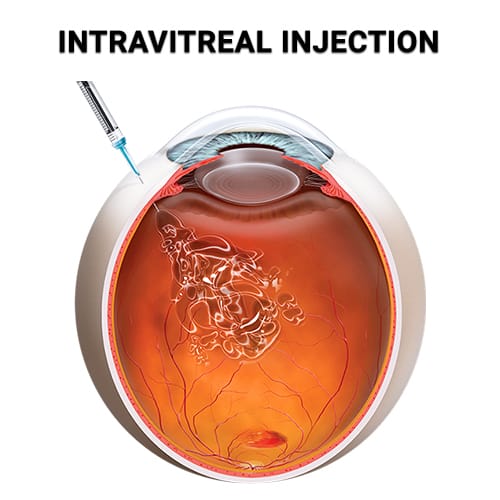
- Diagnosis and treatment of diabetic retinopathy and other retinal diseases.
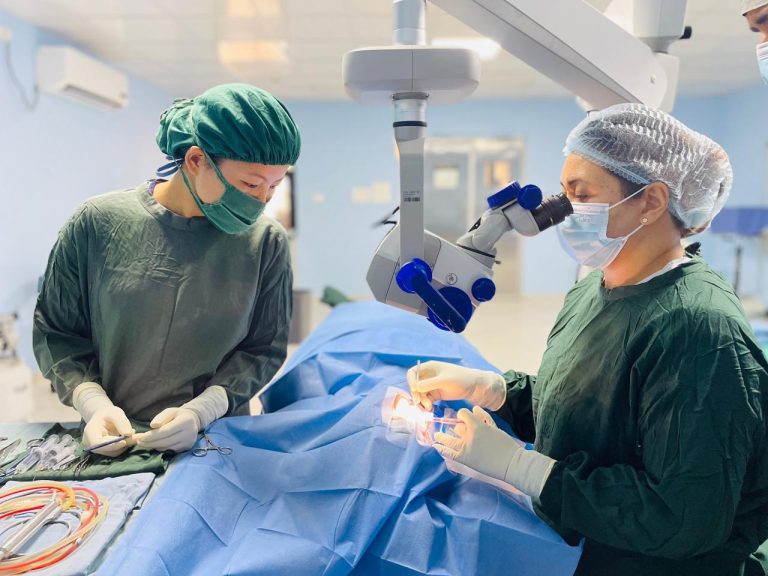
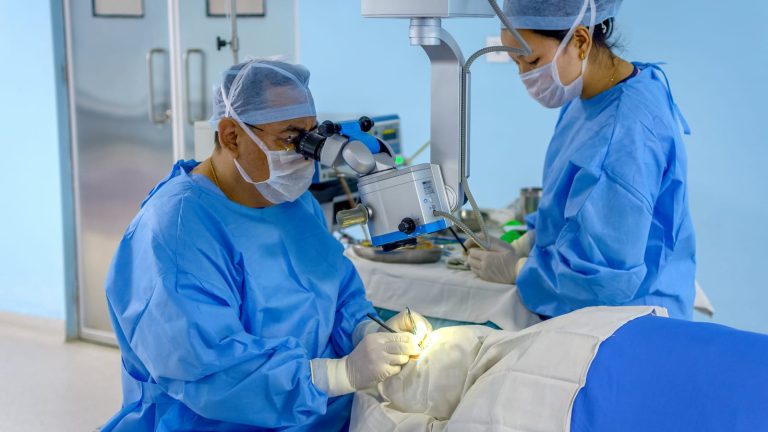
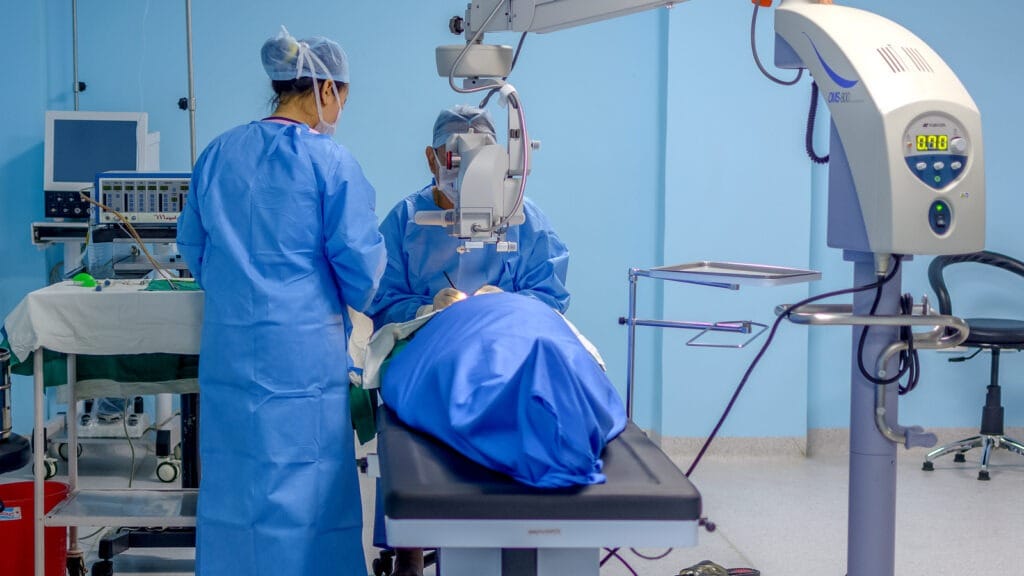
- Modern surgical treatment and management of cataracts, glaucoma, and corneal conditions.
- Myopia control services.
- Vision therapy.
- Low vision rehabilitation services.
Our commitment is to promote healthy vision, improve access to quality eye care, and raise public awareness about the importance of early detection and prevention.
Make Eye Health a Family Priority
World Sight Day is more than a single date on the calendar. It is an opportunity to turn eye care into a lifelong habit.
Take a moment to ask yourself:
- When did I last have my eyes examined?
- Am I giving my eyes enough rest?
- Does my diet include the nutrients needed for eye health?
- Am I taking adequate steps to protect my vision?
Our eyes give us an invaluable gift: the ability to see the world and participate fully in life.
Love Your Eyes. Nourish Your Body. Protect Your Vision.
World Sight Day 2026 — October 8
“Love Your Eyes — Because Every Moment of Life Is Worth Seeing.”