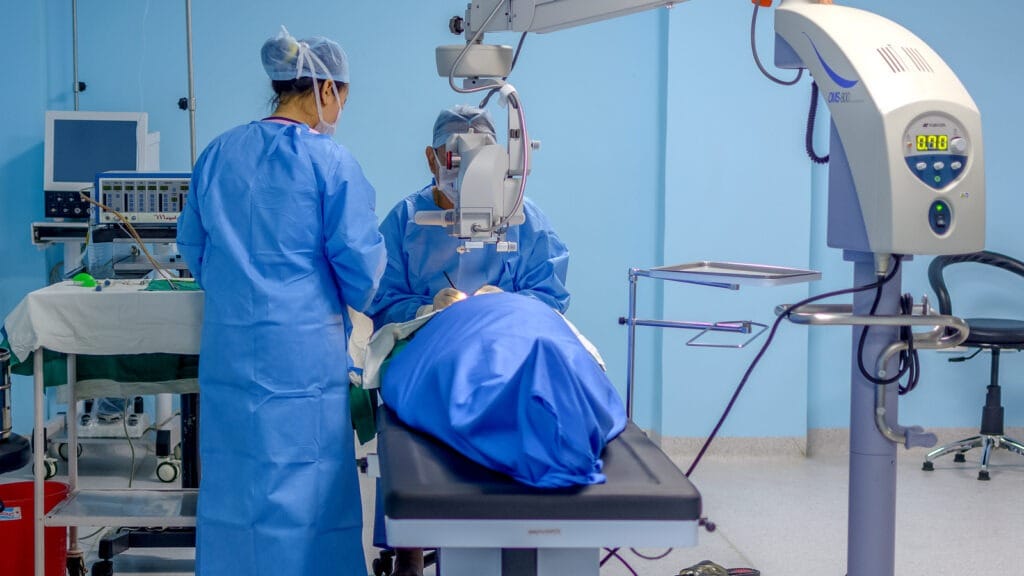

Clear Vision, Clear Tears: Your Guide to Endoscopic Dacryocystorhinostomy (Endo-DCR)
Do you constantly experience watery eyes, blurred vision from tears, or recurring eye infections that just won’t go away? If so, you might be suffering from a blocked tear duct, a common but frustrating condition. While conservative treatments sometimes offer temporary relief, for persistent blockages, Endoscopic Dacryocystorhinostomy (Endo-DCR) offers a highly effective, minimally invasive solution.
At Mechi Netralaya, our Oculoplasty specialists are experts in diagnosing and treating tear duct obstructions with advanced techniques like Endo-DCR, helping you achieve clear vision and a life free from chronic tearing.
1. What is a Blocked Tear Duct and Why Does it Happen?
Your eyes constantly produce tears to keep them moist and clean. These tears drain away through tiny openings (puncta) in the inner corners of your eyelids, into small canals, and then down into a tear sac (dacryocyst) near your nose. Finally, they pass through a duct into your nose.
When this drainage system gets blocked, tears have nowhere to go but to well up in your eye and overflow onto your cheek. This creates:
-
Constant Watering (Epiphora): The most common symptom, leading to blurred vision and irritation.
-
Recurring Infections: Stagnant tears in the blocked sac can become a breeding ground for bacteria, leading to painful infections (dacryocystitis) with pus, swelling, and redness.
-
Crusting: Discharge around the eyelids.
Blocked tear ducts can occur due to various reasons, including age-related narrowing, chronic inflammation, facial trauma, or even certain medications.
2. When is Endoscopic Dacryocystorhinostomy (Endo-DCR) Recommended?
When conservative treatments like massage, warm compresses, or antibiotic drops fail to clear a persistent tear duct blockage, especially in adults, Endo-DCR is often the recommended solution. It is particularly effective for blockages in the nasolacrimal duct, the main drainage pathway into the nose.
This procedure is favored for its high success rate and minimal invasiveness compared to traditional surgical methods.
3. How Endoscopic Dacryocystorhinostomy (Endo-DCR) Works: A Minimally Invasive Approach
The goal of Endo-DCR is to create a new, permanent drainage pathway from your tear sac directly into your nasal cavity, bypassing the original blockage.
The Surgical Process:
-
No External Incision: Unlike older methods, Endo-DCR is performed entirely through the nostril. This means no visible scars on your face.
-
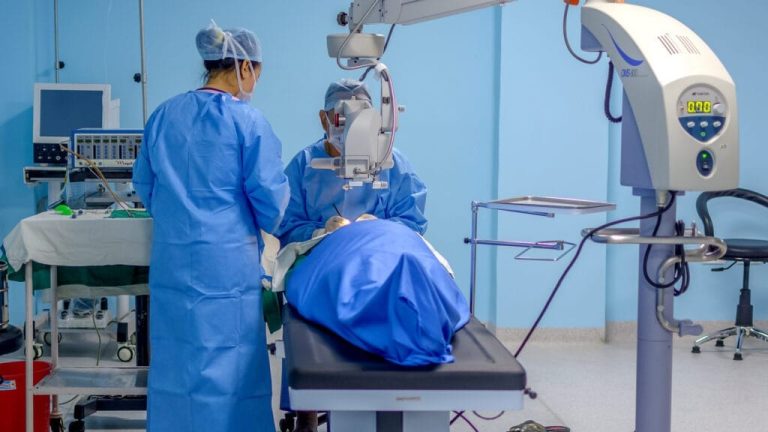
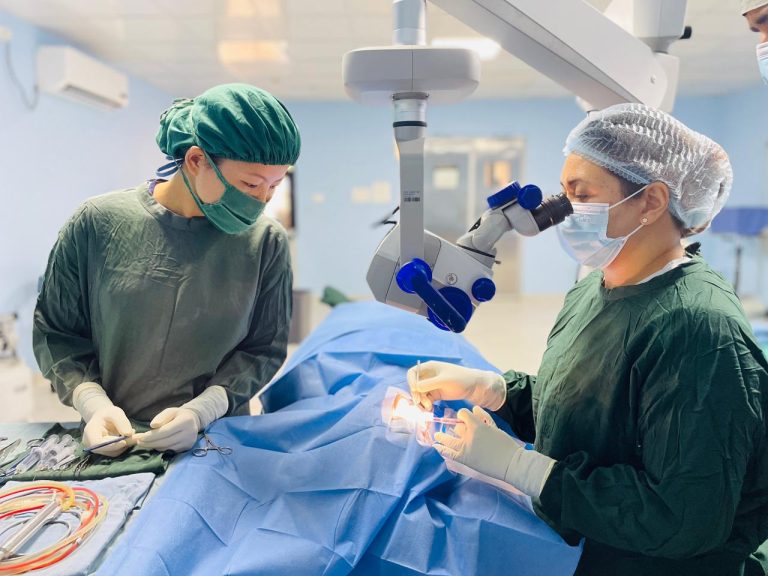
Endoscopic Guidance: Our Oculoplasty surgeon uses a tiny camera (endoscope) inserted into your nose. This provides a magnified, clear view of the surgical area, allowing for extreme precision.
-
Creating a New Opening: A small opening is carefully created in the bone between the tear sac and the nasal cavity.
-
Silicone Stent (Temporary): A tiny, soft silicone tube (stent) may be placed temporarily in the new opening to keep it from closing during the initial healing period. This stent is usually removed after a few weeks or months in a simple, outpatient procedure.
The entire procedure is typically performed under local or general anesthesia, ensuring your comfort.
4. The Advantages of Choosing Endo-DCR
Endoscopic Dacryocystorhinostomy offers significant benefits over older, external approaches:
-
No Visible Scarring: The biggest advantage for cosmetic reasons.
-
Minimally Invasive: Less tissue disruption, leading to faster healing.
-
Reduced Pain and Swelling: Patients generally experience less discomfort post-operatively.
-
High Success Rate: Often exceeding 90-95% in experienced hands.
-
Quicker Recovery: Most patients can return to their normal activities within a few days.
5. What to Expect After Your Endo-DCR Procedure
After your Endo-DCR surgery, you might experience some mild discomfort, nasal stuffiness, or a slight nosebleed, which are normal and managed with prescribed medication.
-
Post-Operative Care: You will be given specific instructions for nasal rinses and antibiotic eye drops to aid healing and prevent infection.
-
Stent Removal: If a stent was placed, its removal is a quick, painless procedure done in the clinic.
-
Follow-Up: Regular follow-up appointments with your Oculoplasty specialist are essential to monitor your recovery and ensure the new drainage pathway remains open.
Why Choose Mechi Netralaya for Your Endo-DCR?
At Mechi Netralaya, our Oculoplasty department is equipped with the latest endoscopic technology and staffed by highly skilled surgeons specializing in delicate orbital and lacrimal procedures. We understand the discomfort and potential vision impact of a blocked tear duct, and we are committed to providing a permanent, effective solution with Endoscopic Dacryocystorhinostomy (Endo-DCR).
Say goodbye to watery eyes and recurrent infections. Contact us today to schedule a consultation and discuss if Endo-DCR is the right solution for you.